
Expert Tips for Implementing Virtual Try-On in Retail


Understanding Virtual Try-On Technology
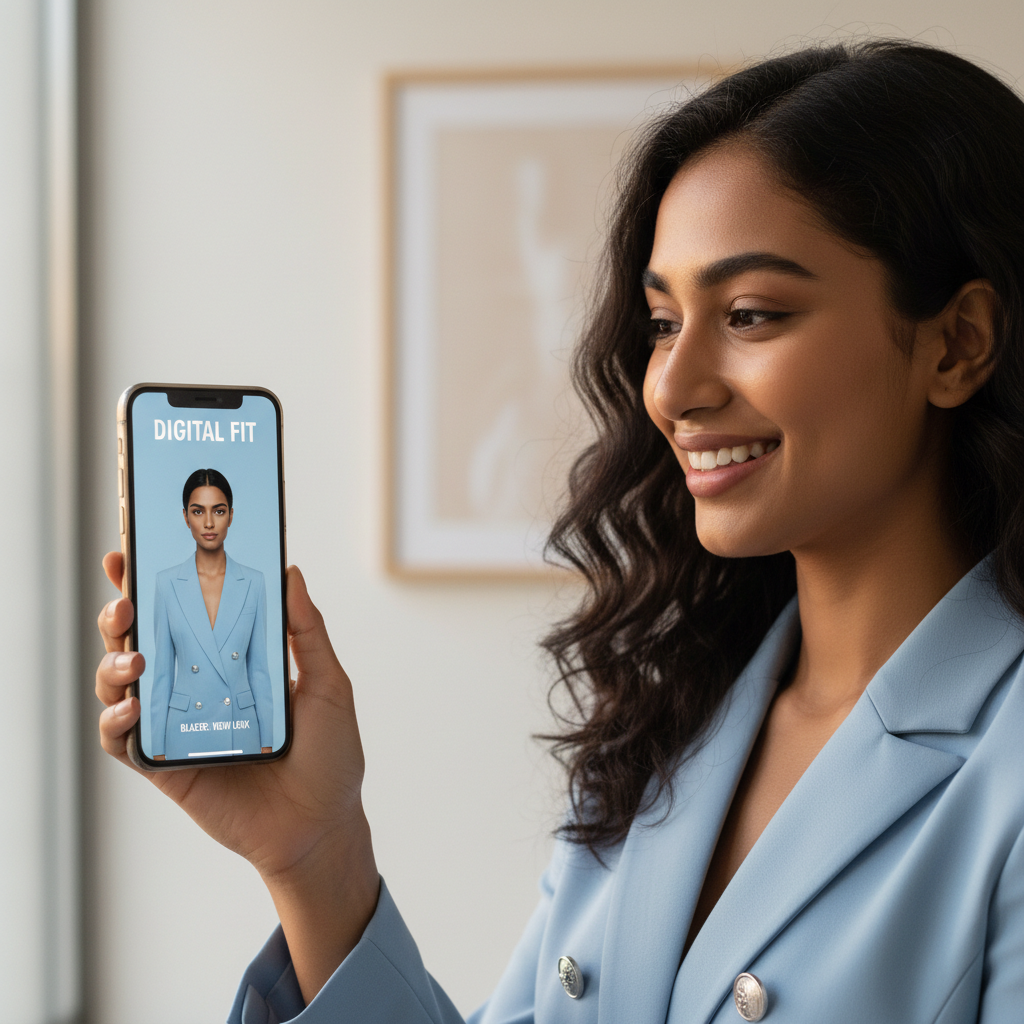
Virtual try-on technology is transforming the retail landscape, offering customers a way to visualize products digitally before making a purchase. By using augmented reality (AR) and artificial intelligence (AI), this technology allows shoppers to see how clothes, accessories, or even makeup will look on them without physically trying them on.
Implementing virtual try-on can enhance customer satisfaction and reduce return rates. It provides an engaging shopping experience that can lead to increased sales and stronger brand loyalty.
Choosing the Right Platform
Selecting the appropriate platform is crucial for the successful implementation of virtual try-on. Consider platforms that integrate well with your existing e-commerce system and offer robust support and customization options. Popular platforms include those developed by companies specializing in AR solutions.
It's important to choose a platform that provides a seamless user experience, ensuring that the virtual try-on process is intuitive and enjoyable for your customers.
Integration with Existing Systems
Ensure that the virtual try-on feature can be smoothly integrated with your current inventory management and payment systems. This integration will help streamline the purchasing process and provide a consistent brand experience.
Creating High-Quality Digital Assets
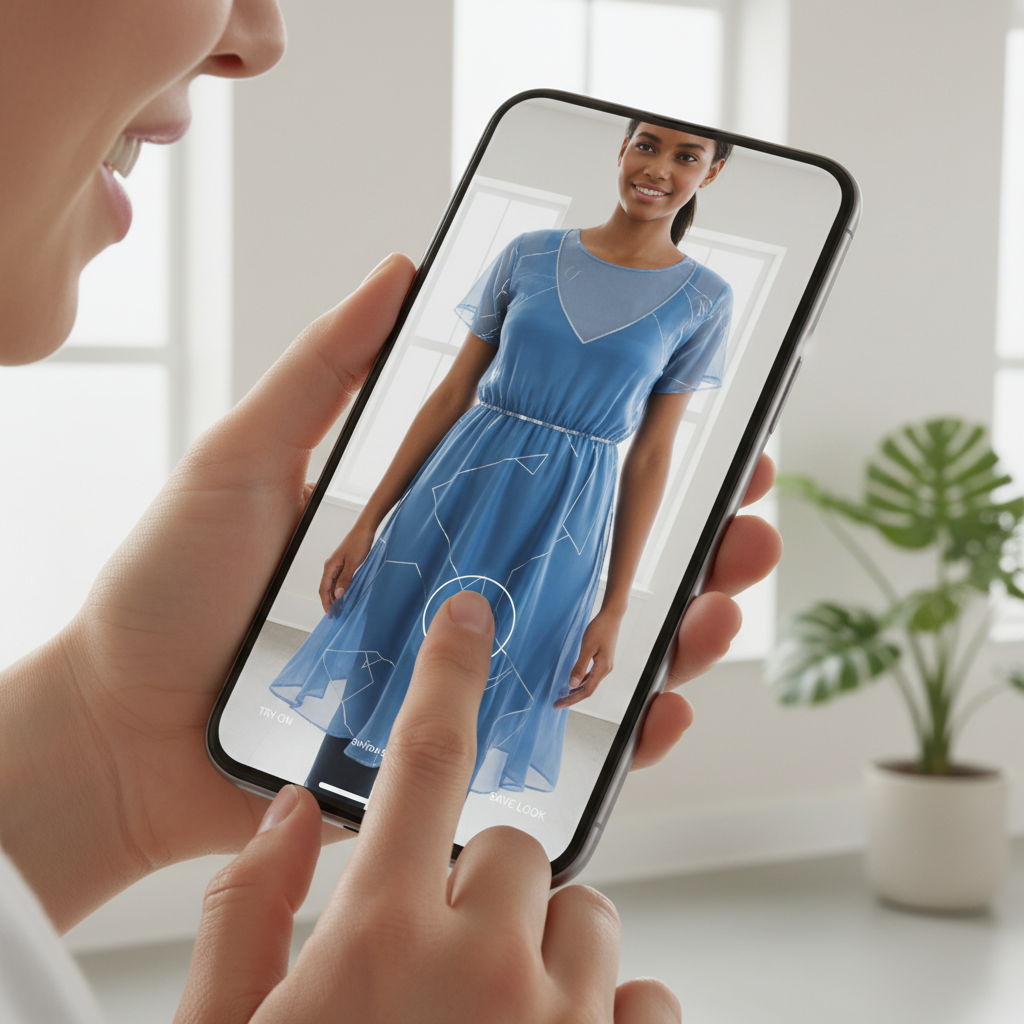
High-quality digital representations of your products are essential for virtual try-on. Invest in detailed 3D modeling and accurate color representation to ensure that customers see a true-to-life version of your products.
Work with skilled designers and use advanced imaging technology to create assets that accurately reflect your brand’s quality and aesthetic.
Ensuring Accuracy and Realism
Accuracy is key in virtual try-on. Make sure that the digital assets match the dimensions and properties of the physical products. Consider using AI technology to enhance realism and improve the fit and appearance of products in the virtual environment.

Enhancing User Experience
The user experience is central to the success of virtual try-on. Provide clear instructions and make the interface user-friendly. Consider features like 360-degree views and zoom capabilities to allow customers to explore products in detail.
Incorporate social sharing options so customers can share their virtual try-on experiences with friends and family, potentially increasing your brand’s reach.
Gathering Customer Feedback
After implementing virtual try-on, gather customer feedback to identify areas for improvement. Use surveys, reviews, and direct feedback to refine the experience and ensure it meets customer expectations.
By continuously improving the virtual try-on feature, you can enhance customer satisfaction and drive long-term growth.