
Exploring UK IoT Applications: Beyond the Smart Home


The Internet of Things (IoT) has become a cornerstone of technological advancement, extending far beyond the confines of the smart home. In the UK, a variety of industries are embracing IoT solutions to enhance efficiency, improve safety, and drive innovation. From agriculture to healthcare, the applications of IoT are as diverse as they are impactful.

IoT in Agriculture
Agriculture in the UK is increasingly adopting IoT technologies to optimize crop production and resource management. Through the use of sensors and connected devices, farmers can monitor soil conditions, track weather patterns, and manage livestock health more effectively. This data-driven approach not only boosts productivity but also contributes to sustainable farming practices.
IoT devices can alert farmers to changes in soil moisture levels, enabling precise irrigation that conserves water. Additionally, drones equipped with sensors can survey large areas of land to assess crop health, ensuring timely interventions.
Enhancing Livestock Management
In livestock management, IoT applications include wearable devices that track the health and activity of animals. This real-time data helps farmers prevent diseases and improve the overall well-being of their herds. By reducing the need for manual checks, IoT also frees up valuable time for farmers to focus on other essential tasks.

IoT in Healthcare
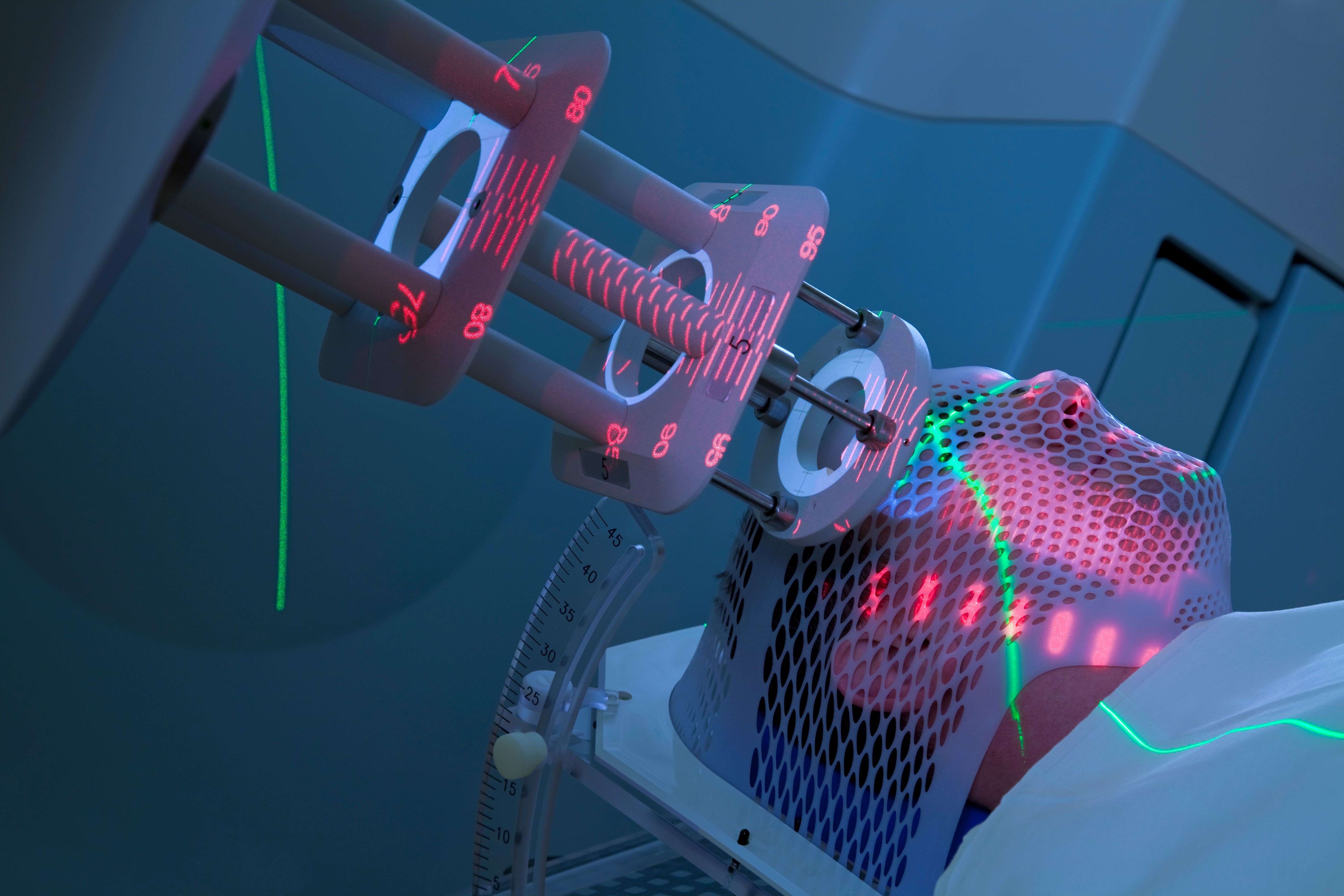
Healthcare is another sector where IoT is making significant strides. In the UK, connected devices are transforming patient care by enabling remote monitoring and telemedicine. Wearable health monitors collect vital data, allowing healthcare providers to keep track of patients' conditions from afar.
This technology is particularly beneficial for managing chronic illnesses, as it reduces the need for frequent hospital visits and allows for timely interventions. Patients experience greater convenience and improved quality of life, while healthcare systems benefit from reduced strain on resources.
Improving Emergency Response
IoT also plays a critical role in emergency response by providing real-time data to first responders. Connected devices can detect incidents such as fires or medical emergencies and automatically alert authorities, ensuring rapid response times. This capability is crucial in saving lives and minimizing damage.
IoT in Transportation
The UK's transportation sector is leveraging IoT to create smarter and more efficient systems. Connected vehicles, intelligent traffic management, and predictive maintenance are just a few examples of how IoT is reshaping transportation.
Smart traffic lights and sensors help reduce congestion by dynamically adjusting to traffic flow. Meanwhile, IoT-enabled vehicles can communicate with each other and with infrastructure, improving safety and efficiency on the roads.
Public Transport Innovations
In public transport, IoT applications include real-time tracking of buses and trains, providing passengers with accurate arrival times and route information. This not only enhances the user experience but also helps operators optimize service delivery.

Beyond these examples, the potential for IoT in the UK is vast, with ongoing innovations and applications continually emerging. As technology advances, the integration of IoT across various sectors will undoubtedly continue to grow, offering new opportunities for businesses and consumers alike.
In conclusion, the UK is at the forefront of IoT innovation, utilizing this technology to solve complex challenges across multiple industries. By embracing IoT, the UK is paving the way for a smarter, more connected future.