
The Ultimate Guide to British Smart Energy Management


Introduction to Smart Energy Management
As the world moves towards more sustainable energy solutions, the UK is at the forefront with its smart energy management initiatives. By embracing technology, British households and businesses are optimizing energy use, reducing costs, and contributing to environmental conservation.
What is Smart Energy Management?
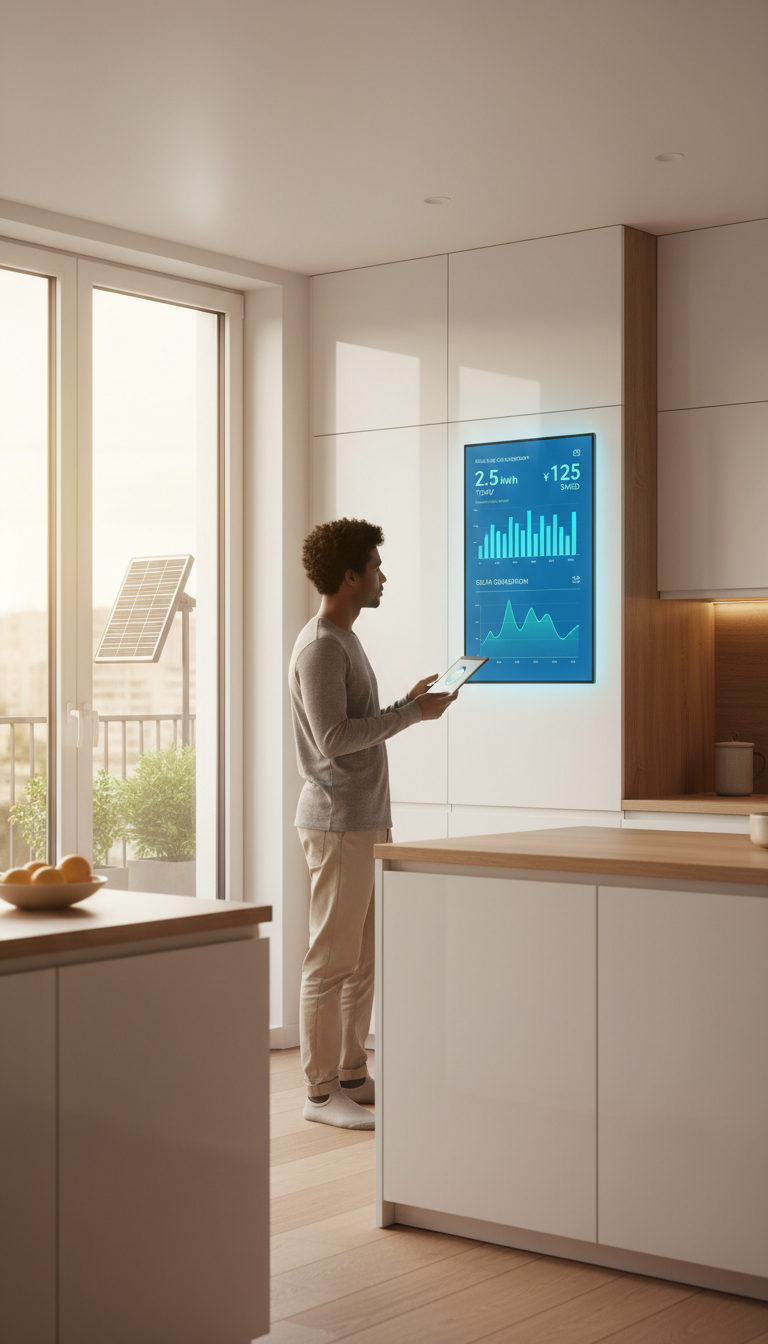
Smart energy management involves using digital technology to monitor and control energy consumption. This includes smart meters, which provide real-time data on energy usage, and smart appliances that can be programmed to operate during off-peak hours. These technologies help consumers make informed decisions about their energy use.
Benefits of Smart Energy Management
Implementing smart energy management systems offers numerous benefits. Here are some key advantages:
- Cost Savings: By optimizing energy consumption, users can significantly reduce their utility bills.
- Environmental Impact: Reducing energy usage helps decrease carbon emissions, contributing to a cleaner environment.
- Convenience: Automated systems allow for remote monitoring and control of energy devices, offering unparalleled convenience.
How Smart Meters Work
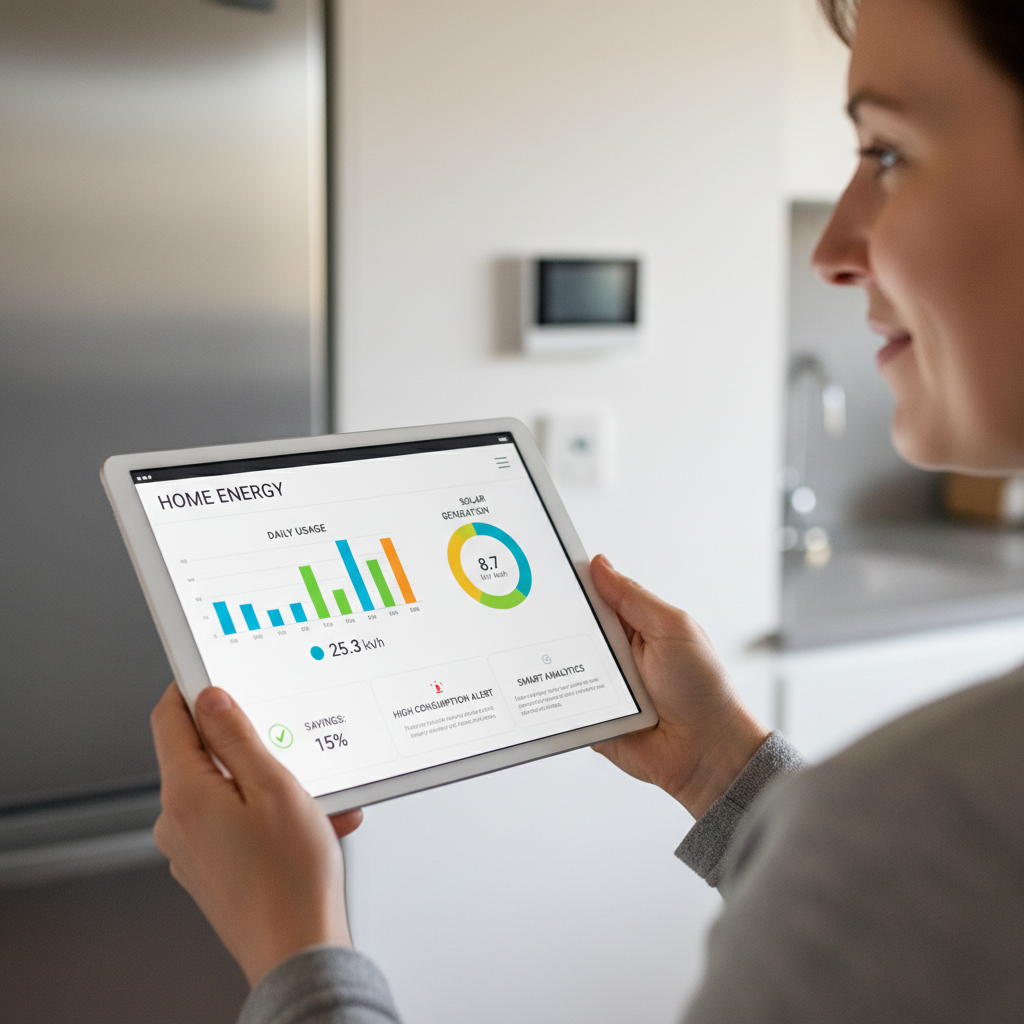
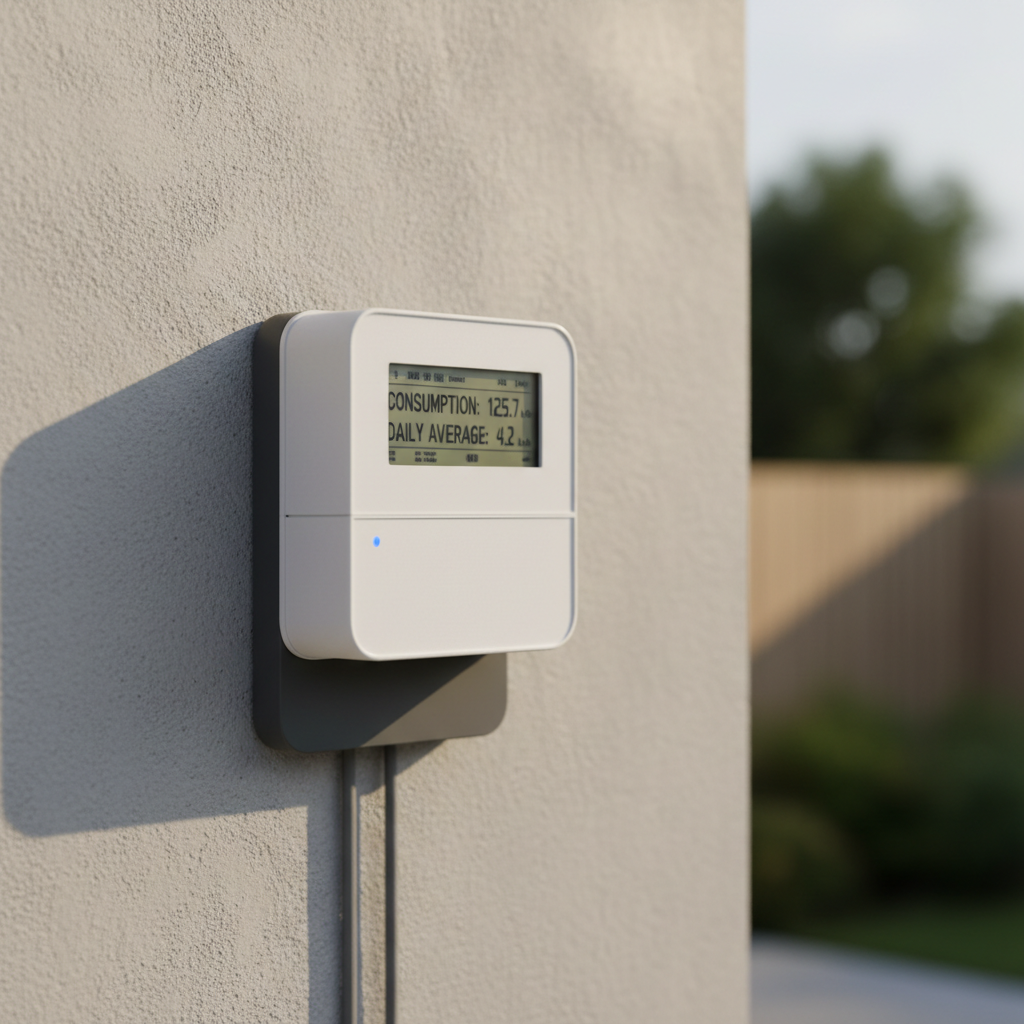
Smart meters are integral to energy management. They provide accurate, real-time data on energy consumption, which is sent directly to energy suppliers. This eliminates the need for estimated billing and allows consumers to better understand their energy habits.
By analyzing this data, users can adjust their energy use to save money and reduce their carbon footprint. Smart meters also contribute to a more stable and efficient energy grid.
Smart Appliances and Their Role
Smart appliances are designed to enhance energy efficiency. They can be programmed to operate during non-peak hours, reducing the strain on the energy grid and minimizing costs. Examples include smart thermostats, washing machines, and refrigerators.
These appliances often come with apps that allow users to monitor and control them remotely, adding another layer of convenience to energy management.
Challenges and Considerations
While the benefits of smart energy management are clear, there are challenges to consider. Privacy concerns arise with the collection and transmission of data. It is essential for consumers to understand how their data is used and protected.
Additionally, the initial cost of installing smart systems can be a barrier for some. However, the long-term savings and environmental benefits often outweigh these initial expenses.
Future of Smart Energy Management in the UK
The future of smart energy management in the UK looks promising. With advancements in technology, more sophisticated and user-friendly solutions are expected to emerge. Government initiatives and incentives are likely to further support the adoption of these systems.
Conclusion
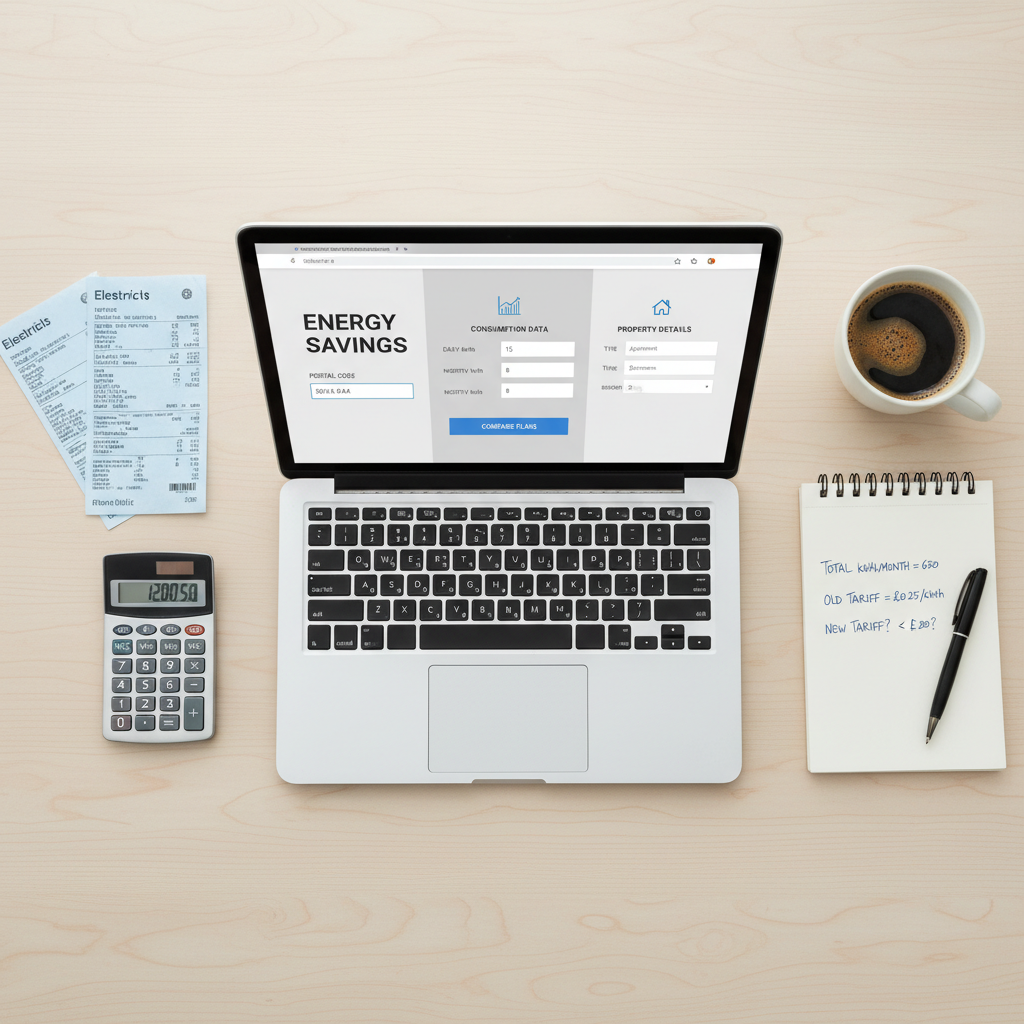
Smart energy management is a crucial step towards a sustainable future. By leveraging technology, individuals and businesses can significantly reduce their energy consumption and environmental impact. As the UK continues to innovate in this space, embracing these solutions will lead to a cleaner, cost-effective, and more efficient energy landscape.