
Virtual Try-On Technology: Revolutionizing Fashion in the UK


Understanding Virtual Try-On Technology
In recent years, virtual try-on technology has emerged as a game-changer in the fashion industry, especially in the UK. This innovative technology allows consumers to virtually try on clothes and accessories using augmented reality (AR) and artificial intelligence (AI). By providing a more personalized and interactive shopping experience, virtual try-ons have significantly enhanced customer satisfaction and engagement.
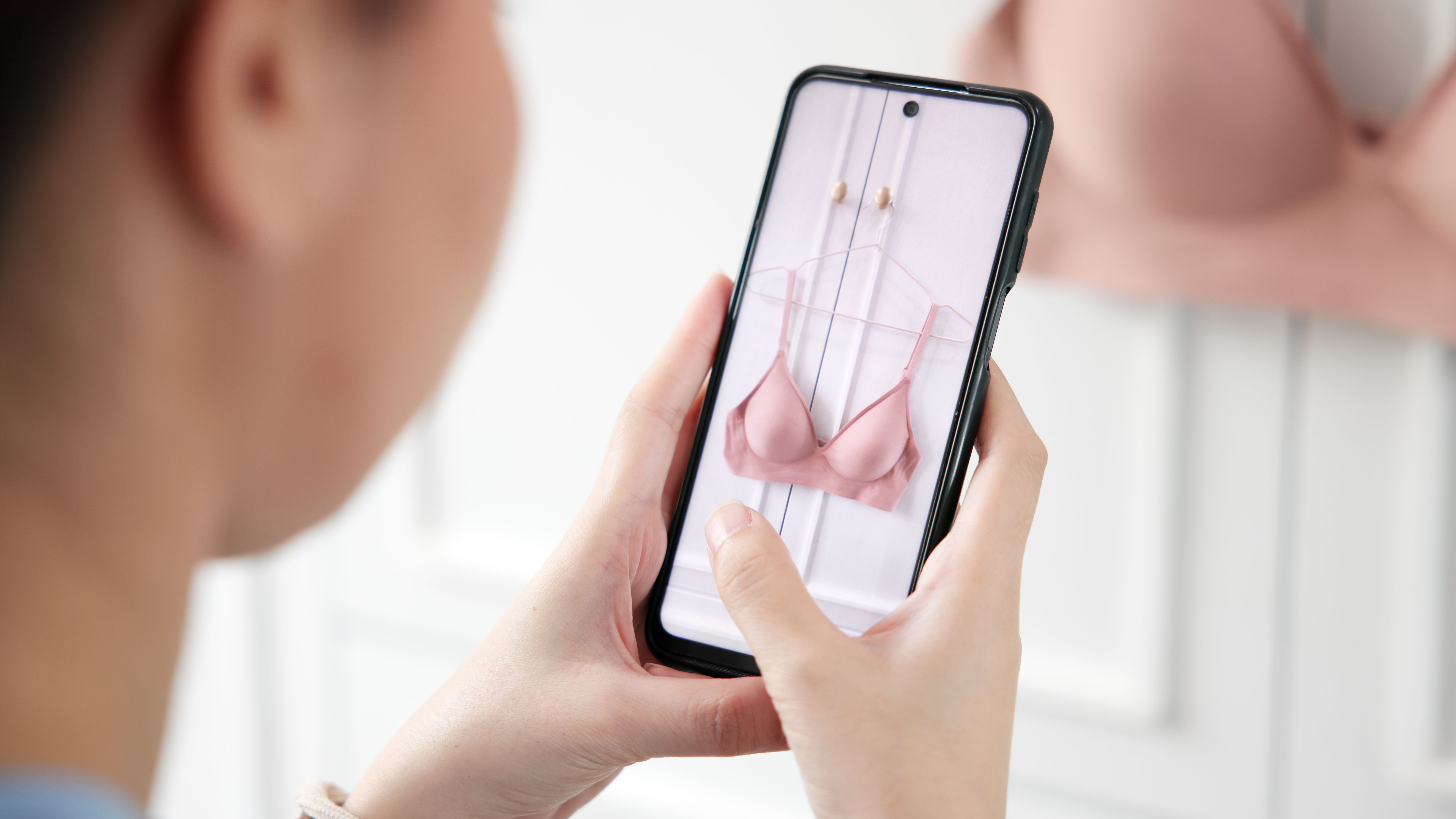
The technology works by using a device's camera to overlay digital images of clothing onto the user's body, simulating what the item would look like when worn. This eliminates the need for physical try-ons, offering a more convenient and time-efficient shopping experience.
The Rise of Virtual Try-On in the UK Fashion Scene
The UK fashion market has been quick to adopt virtual try-on technology, driven by the need to adapt to changing consumer behaviors and the growing popularity of online shopping. With the COVID-19 pandemic accelerating the shift towards e-commerce, retailers have had to innovate rapidly to maintain their competitive edge.
Many UK-based retailers, from high-end fashion brands to local boutiques, are now integrating virtual try-on features into their online platforms. This not only attracts tech-savvy consumers but also helps reduce return rates, a common challenge for online retailers.
Benefits for Consumers
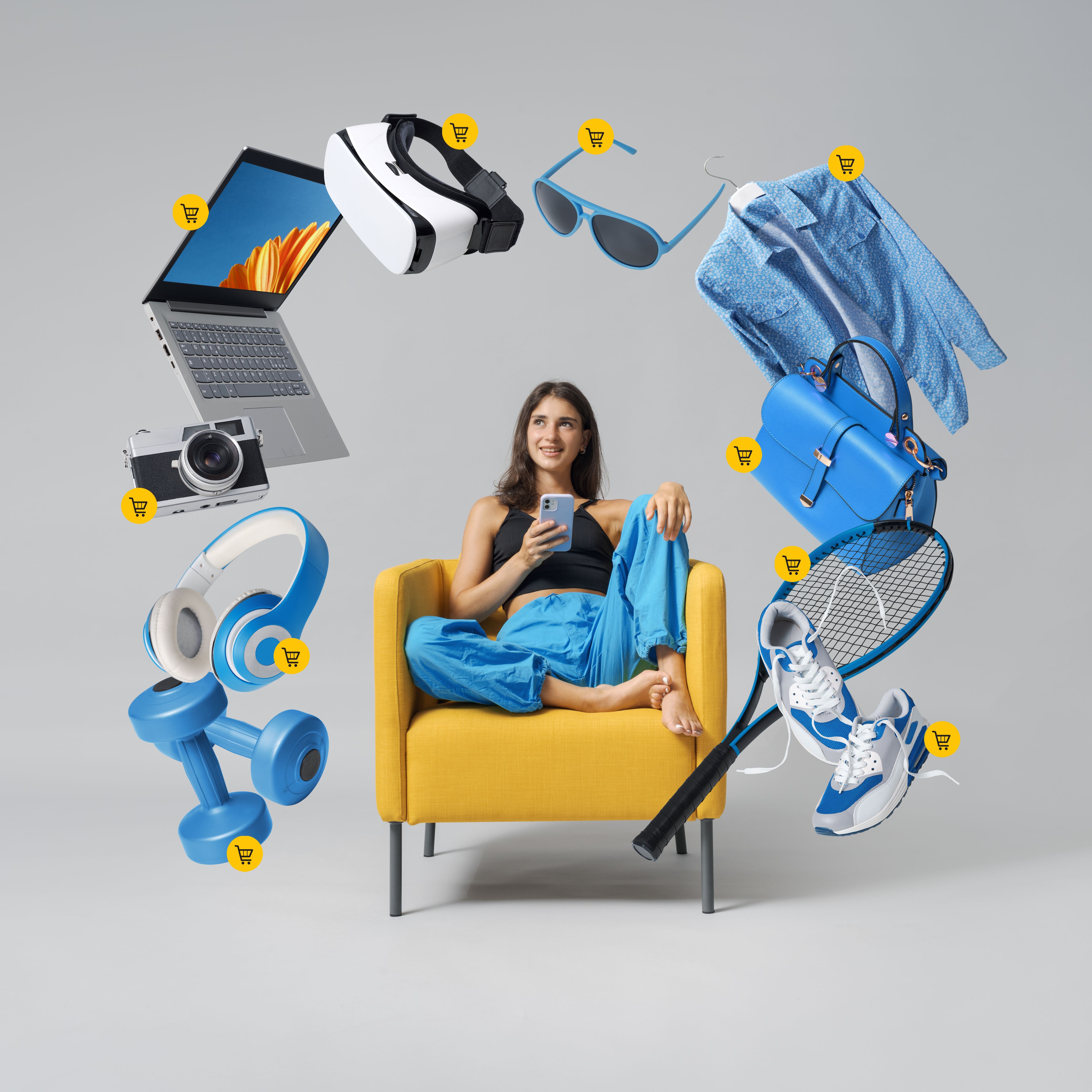
For consumers, the benefits of virtual try-on technology are manifold:
- Convenience: Shoppers can try on multiple items from the comfort of their homes.
- Confidence: Virtual try-ons offer a realistic preview, helping consumers make informed purchasing decisions.
- Personalization: AI algorithms provide personalized recommendations based on user preferences and body measurements.
Challenges and Opportunities
While virtual try-on technology presents numerous advantages, it also comes with its set of challenges. One major concern is ensuring the accuracy and realism of the virtual representations. Achieving precise sizing and fit remains a technical hurdle that developers are continuously working to overcome.
Despite these challenges, the opportunities for innovation and growth in this field are immense. As technology advances, we can expect even more sophisticated virtual try-on solutions that offer greater realism and interactivity.
The Future of Virtual Try-On in Fashion
The future of virtual try-on technology in the UK looks promising. As more retailers embrace this technology, it is likely to become a standard feature in online fashion retail. The integration of advanced AI and machine learning models will further enhance the accuracy and user experience of virtual try-ons.
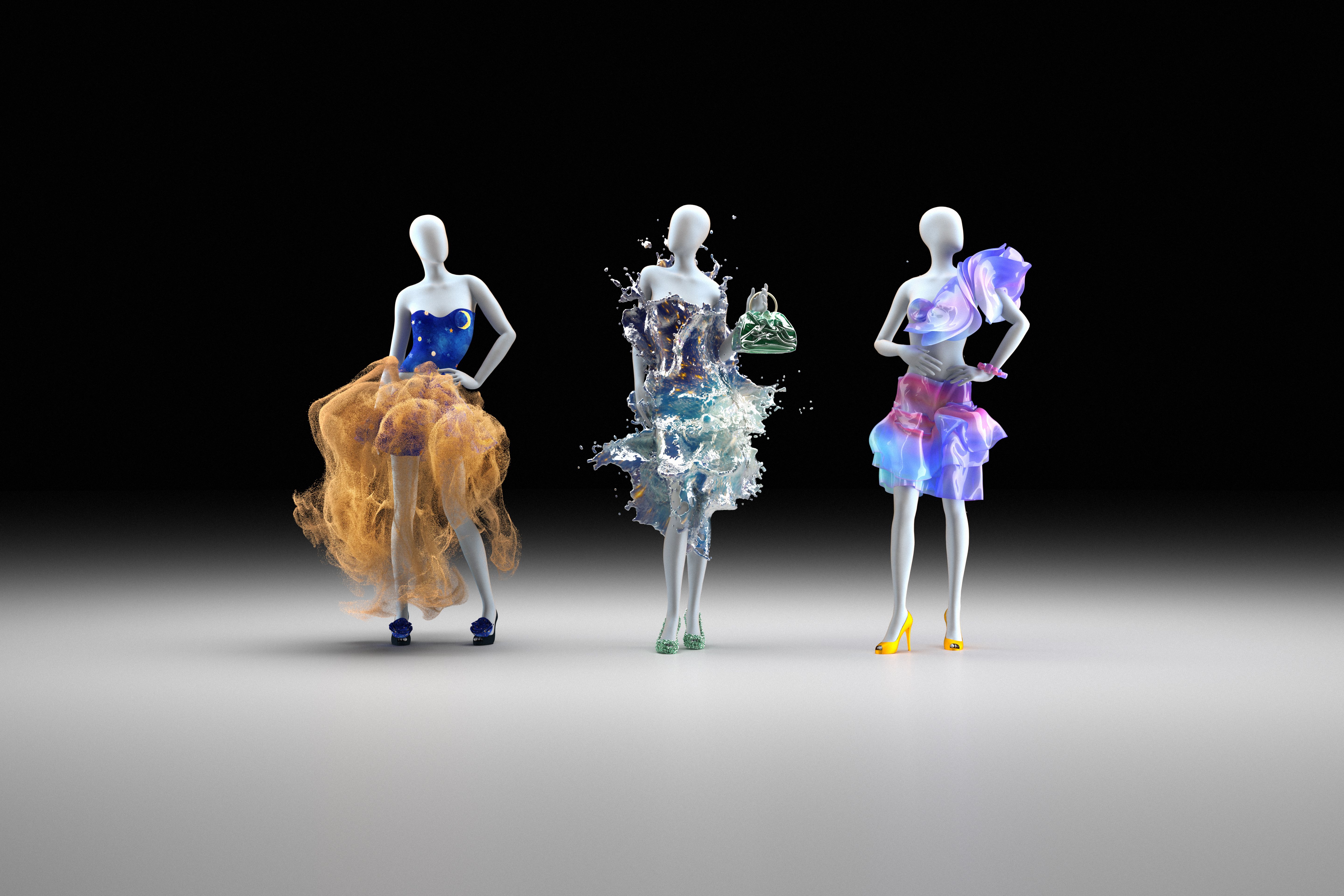
Moreover, the use of virtual reality (VR) could take virtual try-ons to the next level, allowing consumers to immerse themselves in a virtual shopping environment. This could revolutionize not only how we shop but also how fashion is marketed and consumed.
In conclusion, virtual try-on technology is transforming the UK fashion industry by offering consumers a more interactive, personalized, and convenient shopping experience. As technology continues to evolve, it will undoubtedly play a crucial role in shaping the future of fashion retail.